Do you know when your brake fluid was last changed? Most people don’t pay much attention to this vital fluid until issues arise. Learning key facts about brake systems and when to flush the fluid can prevent problems. Get insights here into what brake fluid does, why it needs changing, and what to expect from a flush service.
Why Does Brake Fluid Need Flushing?
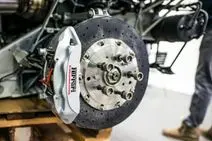
Inside your brake lines and calipers sits hydraulic fluid that transmits force when you press the brake pedal. It pushes pistons to clamp brake pads against rotors. But over years of use, the fluid absorbs tiny amounts of moisture that leads to a dangerous drop in boiling point. Higher temperatures from repeated braking cause moisture-contaminated fluid to boil and compress into vapor. This vapor is compressible, unlike liquid fluid, reducing braking capacity – a frightening prospect when you need to stop quickly!
By routinely flushing old contaminated brake fluid, you install fresh fluid that can withstand high braking temperatures without boiling. This ensures a firm brake pedal feel and short stopping distances when you need to slow down in a hurry.
When to Schedule a Brake Fluid Flush
Most vehicle manufacturers recommend a brake fluid flush every two years or 24,000 miles as routine maintenance. But if you subject your vehicle to frequent hard braking cycles, such as repeated hill descent braking when towing fluid replacement may be required more often.
Signs like a “spongy” brake pedal that sinks too close to the floorboard indicate moisture contamination. If you remove the reservoir cap and the fluid appears dark and murky, a flush service will restore clean, amber-colored fluid. Any visible droplets of water along the reservoir walls also signal the need for a fluid change.
What to Expect During the Flush Procedure
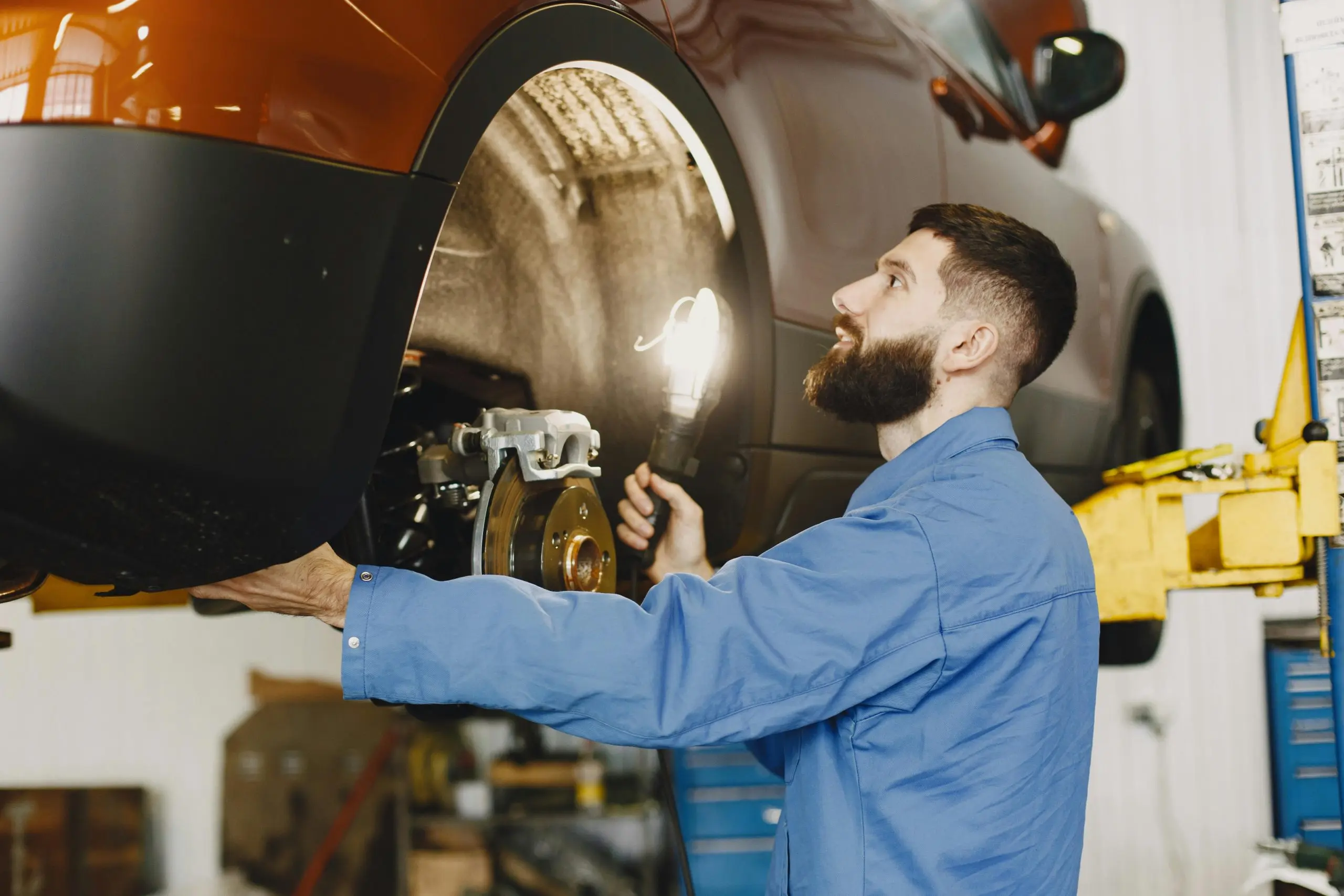
Replacing your brake fluid is a straightforward process, especially if done by a professional technician. Expect an inspection of brake components like calipers, master cylinders, and brake hoses for leakage or binding. Then, old contaminated fluid gets pumped out and displaced from internal passages by fresh fluid. Specialty machines perform multiple fluid exchanges to eliminate moisture accumulation. Adjustments to the brakes occur as needed before topping off to the proper level.
To maintain the renewed stopping power after a flush, avoid letting the reservoir run dry. Any air bubbles that enter the lines will require another bleed service. Check fluid levels routinely as part of oil change inspections and watch for leaks.
Benefits of Fresh, Clean Brake Fluid
With fresh fluid flowing freely through intact brake hydraulic systems, you’ll notice the difference from your first press of the brake pedal. Pedal height remains higher for a confident brake feel. Any softness or vibration signaling warped rotors get corrected to deliver responsive, even braking forces across well-aligned pads and rotors.
Perhaps most importantly, never underestimate the value of installing fluids that are able to endure high temperatures without boiling into vapor. You want liquid fluid transmitting pedal pressure, not compressible gas! And clean fluid prevents internal corrosion that could lead to leaks or bindings, hampering braking capacity. Investing in a standard brake system flush puts safety and responsiveness in the palm of your brake pedal hand!
Trust Us for Comprehensive Brake Service
Don’t leave brake maintenance and repairs to chance. Our brake fluid flush and inspection packages will keep your car’s stopping abilities in peak form. Contact Nür Technik at 952-322-7495 to schedule professional brake system service today!